Sewer Line Backup: Immediate Steps to Prevent Home Damage
Table of Contents
- The Nightmare of a Sewer Backup
- Step 1: Stop Using All Water Immediately
- Step 2: Shut Off the Main Water Supply
- Step 3: Keep Children and Pets Away
- Step 4: Call an Emergency Plumber Immediately
- Why Do Sewer Lines Back Up?
- Dealing with Stubborn Drain or Sewer Problems?
- Written by Reliance Plumbing Solutions
- Share this article
- Related Articles
The Nightmare of a Sewer Backup
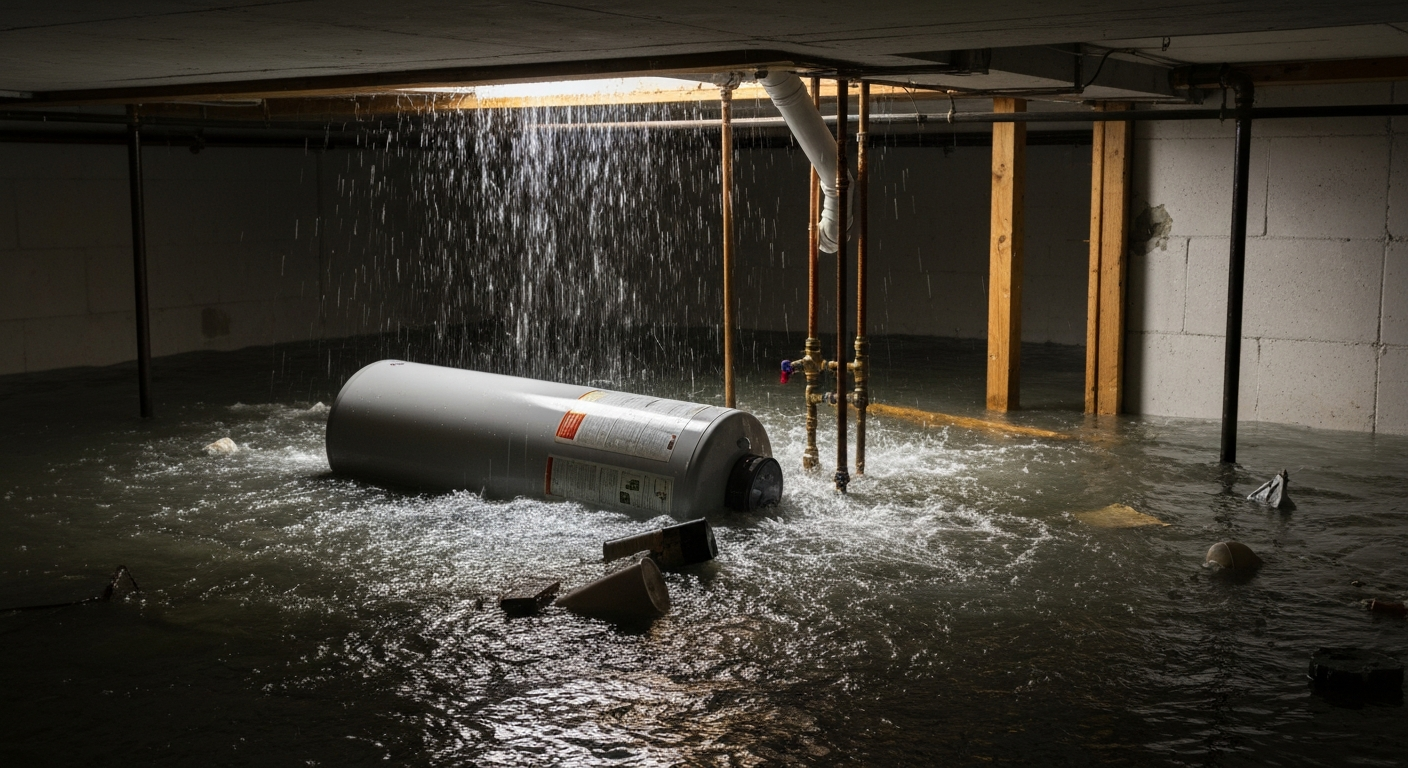
Few plumbing emergencies are as stressful—or as unsanitary—as a main sewer line backup. When wastewater cannot escape your home, it reverses direction, bringing raw sewage up through your drains, toilets, and bathtubs.
Step 1: Stop Using All Water Immediately
The moment you suspect a backup (gurgling toilets, foul odors, or water rising in the shower when you run the sink), stop running all water. Do not flush toilets, do not run the washing machine, and do not use the dishwasher. Every drop of water you put down the drain will end up on your floor.
Step 2: Shut Off the Main Water Supply
To ensure no one accidentally uses water and worsens the backup, shut off the main water valve to your home.
Step 3: Keep Children and Pets Away
Raw sewage contains dangerous bacteria, viruses, and pathogens. Keep all family members and pets completely out of the affected areas to prevent illness.
Step 4: Call an Emergency Plumber Immediately
A main sewer line backup is not a DIY job. Chemical drain cleaners will not work and can actually damage your pipes or burn the plumber who eventually has to fix it. You need a professional emergency plumber equipped with a sewer inspection camera and a high-pressure hydro jetter to clear the blockage safely.
Why Do Sewer Lines Back Up?
In Port St. Lucie, the most common causes of sewer backups are tree root intrusions breaking through old pipes, heavy grease buildup from kitchens, and flushed "flushable" wipes that do not actually break down in the water.
Dealing with Stubborn Drain or Sewer Problems?
From kitchen clogs to main-line backups, Reliance provides professional drain cleaning and clearing across Port St. Lucie and the Treasure Coast.

Written by Reliance Plumbing Solutions
The local experts at Reliance Plumbing Solutions have been serving the Treasure Coast for over 20 years. We share our knowledge to help homeowners protect their property and save money.
About Our TeamShare this article

Need a Plumber?
We provide fast, reliable plumbing services across the Treasure Coast.
Call Now: (772) 773-2091